The digital landscape in 2026 looks very different from even five years ago. Search engines, discovery platforms, and AI tools have reshaped how users find information. A new approach is emerging, one that sits alongside traditional search engine optimization but moves beyond it. Known by various names, Generative Engine Optimization has gained prominence as a framework for orchestrating visibility in AI-dominated search environments.
For marketing leaders, understanding this shift is no longer optional. As user behaviour evolves and platforms begin to surface answers directly through AI models, the way brands build and maintain discovery must change too.
What Is Generative Engine Optimization?
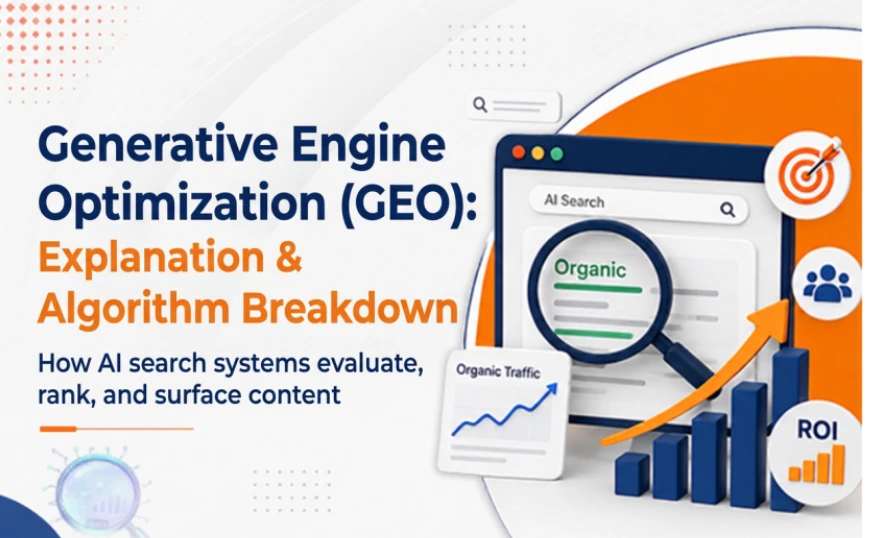
Generative Engine Optimization, commonly referred to as GEO, is a collection of practices that mainly involve AI systems, conversational interfaces, and generative models curating and presenting answers rather than traditional listings.
Thus, it has extended the traditional SEO principles into the context of such systems.
The traditional process ranks a page based on its ability to attract the audience, among other links. But users of the generative environments are regularly receiving summaries, recommendations, or responses produced by AI from several sources. If SEO is about putting a website in the first place in a ranked list, Generative Engine Optimization is all about putting brand knowledge among the AI model outputs, answer summaries, and conversational layers.
We need to adopt a new perspective in this context. While relevance, quality, and authority are still important factors, it is equally essential to use clear natural language, structure knowledge effectively, and align with how AI systems understand context
By the year 2026, numerous firms are engaging Generative engine optimization services to make sure their content becomes visible and gets to be the dominant one in the generative responses across different platforms.
Why Traditional SEO Still Matters
Instead of quickly dismissing SEO as outdated, we should realize its continuing importance first. Traditional SEO is the main pillar of visibility. Search engines depend on keyword targeting, site mapping, performance optimization, and link authority traffic generation all the same.
Traditional search engines index, crawl, and display content based on the structural consistency that SEO provides. It teaches us to understand users’ intent, to set up content in a way that makes sense, and to signal relevance using both users and algorithms’ criteria.
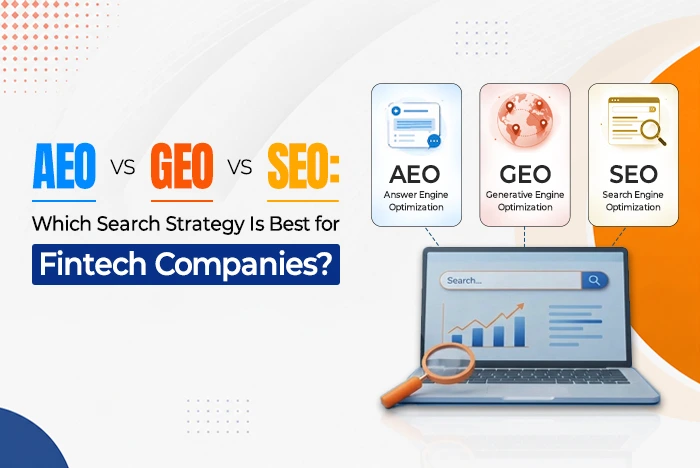
On the other hand, Generative Engine Optimization does not fully take the place of traditional SEO practices. Rather, it utilizes them. An SEO company that understands how to navigate both traditional and AI-driven environments will ensure that the content achieves a high traditional search ranking while also being easily understood and useful for AI systems that generate answers from diverse inputs.
A strong SEO foundation is a must for generative systems; otherwise, the alignment of brand assets and user prompts might not happen, leading to unutilized visibility opportunities.
How AI Discovery Differs from Classic Search
Classic search is query-driven, organized, and mostly predictable. Users enter or vocalize separate keywords, and the search engine provides links in ranked order. Advertisers have figured out how to refine for factors like relevance, authority, speed, and number of links that determine ranking.
AI-driven discovery, conversely, is probabilistic, broad, and dialogical. A user may pose a question such as “What are the best small business cash flow tools?” and the answer could be an overview from various sources. It might provide no links at all, or it might give explanations along with suggestions and answers that are partly contextualized and partly tool oriented.
In this scenario, brands do not only compete for a place on the result page but also for the recognition of participating in the story itself.
Generative Engine Optimization identifies this change. It gives priority to content that is
- Properly structured for AI analysis
- Promising sufficient information for interactive inquiries
- Fully explained with validated and systematically arranged knowledge
- In line with brand authority signals
This approach enables AI to identify and include brand content in the responses it produces.
Key Principles of Generative Engine Optimization
Successful GEO efforts focus on a few foundational principles:
- Structured Knowledge Representation
AI systems rely on context and pattern recognition. Content that clearly delineates facts, definitions, examples, and relationships outperforms ambiguous or loosely organized material. Using schema, structured data, and well-tagged content helps AI understand context.
Clarity is not just for humans. It’s for the models to interpret millions of data points and generate concise answers.
- Natural Language Alignment
Generative engines are trained on vast amounts of conversational data. Content designed for GEO acknowledges this by aligning with natural language use. Answering common user questions directly, anticipating follow-up queries, and offering practical framing helps AI place the brand’s content in response layers.
This is not keyword stuffing. It is context awareness.
- Cross-Channel Consistency
AI systems synthesize across platforms: search indexes, social feeds, knowledge graphs, and forums. Models that draw from multiple sources are more likely to reference brands that maintain consistent, verified messages across channels.
Repeating key points in multiple high-quality contexts helps AI systems validate content relevance.
Integrating GEO With Traditional SEO Strategies
The simplest way to count down to 2026 is through the combination of SEO and GEO techniques. Traditional SEO practices, despite their outdated nature, still yield a favourable response from the search engines through:
- Optimization of site performance and responsiveness
- Creation of content based on user intent and search queries
- Building of authoritative backlinks and signals of relevance
Simultaneously, generative optimization is changing the content through the AI discovery systems’ expectations by:
- Authoring of clear, comprehensive answers
- Fast understanding through content structuring
- Prioritizing context over keyword frequency
By combining these strategies, it becomes possible for the content to be equally valuable, whether the person is looking at the search engine results page or receiving a generative answer from an AI assistant.
Why Businesses Need a Generative Engine Optimization Company
Brands need expertise that spans both worlds in an environment where visibility depends on multiple pathways, including traditional search, voice assistants, AI chat interfaces, and summary layers.
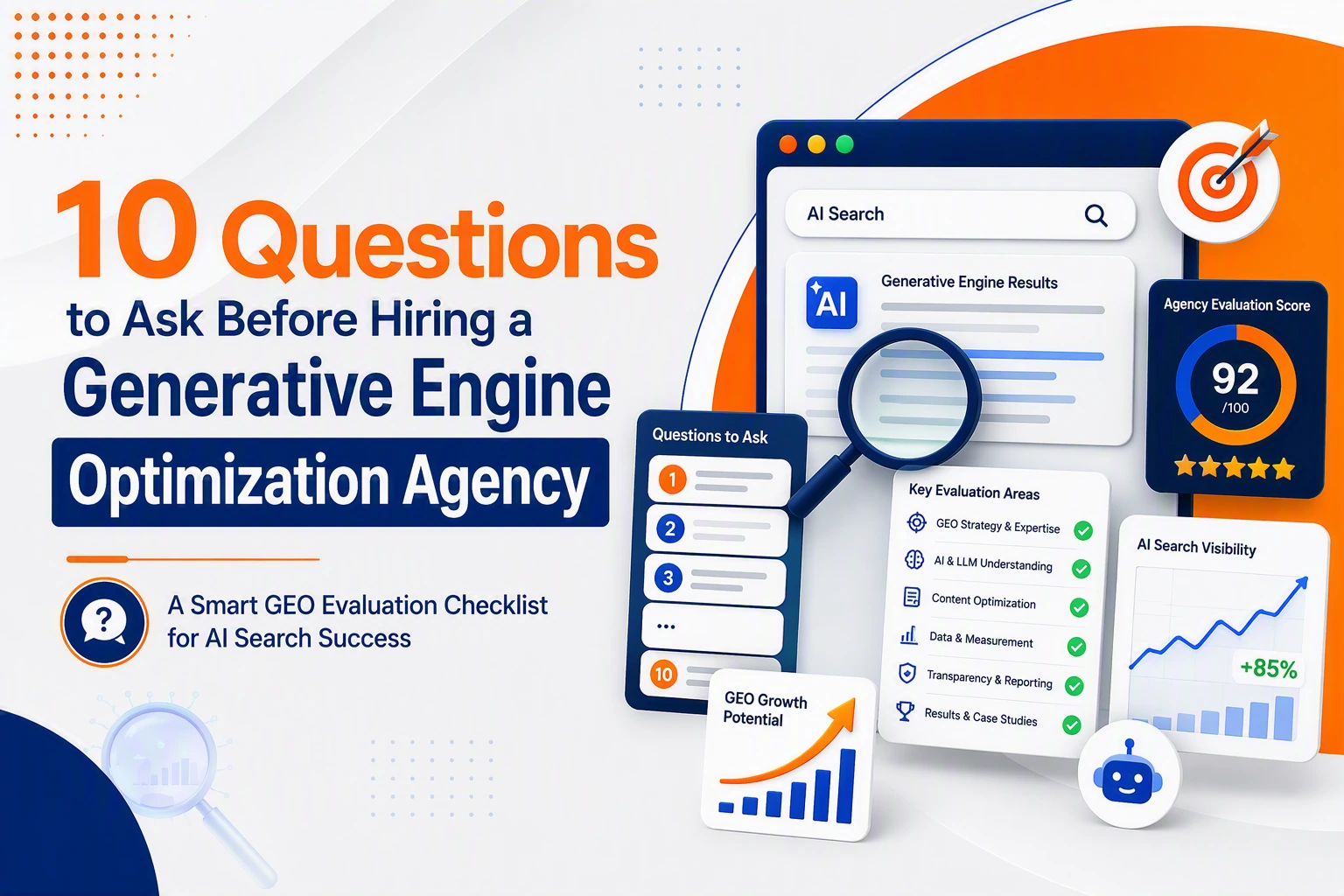
A generative engine optimization GEO agency brings this expertise. Such firms understand how generative models index, interpret, and prioritize information. They help brands bridge the gap between structured marketing content and AI-ready expression.
These partners’ responsibilities extend beyond content creation. It includes:
- Strategic content mapping
- Contextual architecture planning
- AI alignment testing
- Cross-platform message reinforcement
- Measurement of generative visibility over time
These services help brands avoid the pitfall of producing volume without strategic visibility.
What the Shift Means for Marketing Leaders
For CMOs and marketing leaders, the change in generative discovery requires both caution and a demand for imagination. It asks for:
- Content quality redefined and prioritized
- Collaboration between SEO and AI teams made stronger
- Expectations set for structured content frameworks investments
- Long-term planning for future instead of short-term gains
AI is evolving and will continue to do so. The most important thing is to create systems and processes that can predict these changes, rather than being reactive and doing so after the fact.
Generative Engine Optimization is more than a mere event; it is an essential requirement in the evolving digital landscape, where users seek answers just as much as they desire to see websites ranked.
How e intelligence Supports Visibility in 2026
At e intelligence, our approach combines deep SEO experience with forward-looking tactics designed for AI-led discovery. We treat Generative engine optimization not as a buzzword, but as a practical extension of a comprehensive digital strategy. Our work focuses on ensuring brands remain visible, trustworthy, and discoverable across all modern channels.
Whether a company is refining core content, optimizing for broader semantic contexts, or preparing for generative search ecosystems, the strategy remains anchored in quality, context, and relevance.
Conclusion
2026 is the year when users’ ways of searching and interacting with information change drastically. The integration of SEO and Generative Engine Optimization by brands will position them advantageously for success.
They will be capable of ranking their links and regulating the responses provided directly to users
Marketing executives should quickly embrace this change to remain visible, trusted, and influential in the market. The transition from search to generative discovery is taking place. The brands that are quick to adapt will be the ones to set the pace for the next era of digital presence.