Key Takeaways
- A good GEO agency should provide evidence of real AI citations, not just traditional SEO rankings.
- Inquire about how other agencies measure visibility in AI search engagement on SEO platforms.
- Pair up with someone who can link GEO and SEO, content, technical aspects, and business aim.
Introduction
The way people search for things is being transformed by the advancements in AI search. In a study by Pew Research Center performed among 900 adults in the U.S. in March 2025, 58% of the respondents used Google at least once and got AI-generated responses.
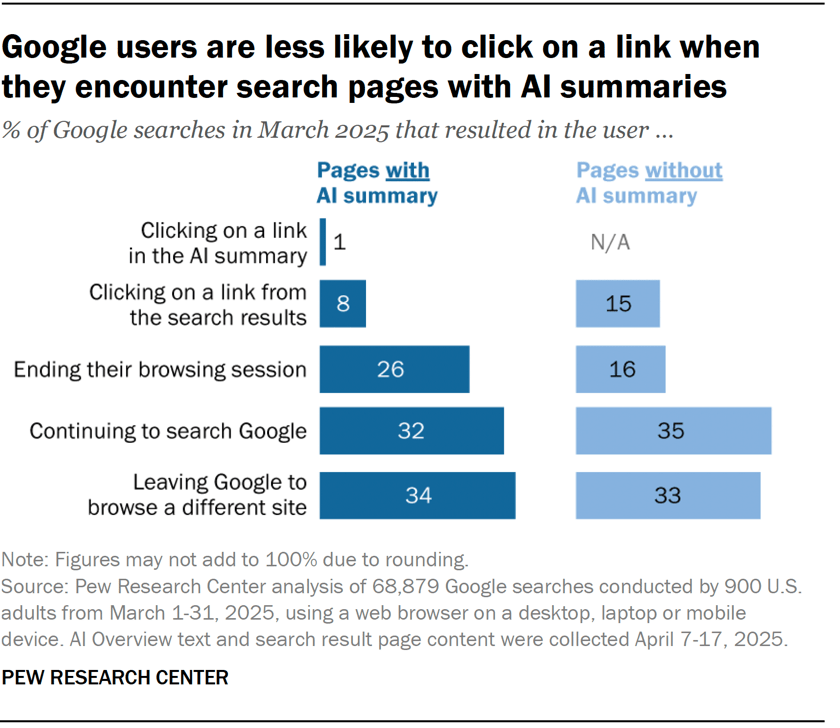
This means being present in traditional search engines is not sufficient. Your business must also appear in AI-generated replies. Therefore, it is important to ask a potential GEO agency some questions to find out more about its processes and experience.
Why Choosing the Right GEO Agency Matters
GEO, in short, makes it easy for businesses to get found by LLM models. A good GEO agency builds a website, creates content, and builds an online presence for businesses in a way that AI can find and list them when someone is looking for answers in a similar niche.
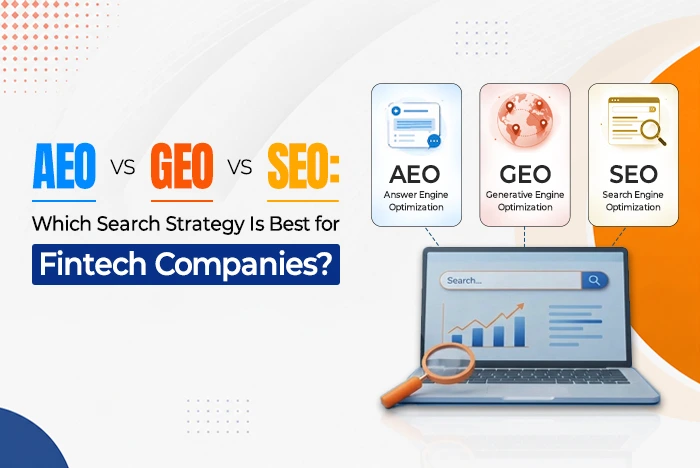
Note that GEO is related to SEO and, while the first tackles search engines that utilize AI to display local search results, the latter attempts to make a website or online content publishable in standard search engines.
So, it’s important to find a company that has a lot of knowledge and a lot of experience with SEO and with the latest search technologies that are powered by AI.
Questions to Ask Before Hiring a GEO Agency
Choosing the right GEO agency to increase your brand visibility in the AI-powered search space is crucial and should be thoroughly researched before locking them into a contract. Ask potential agencies for your business a few questions regarding their experience, methodology, reporting, and results.
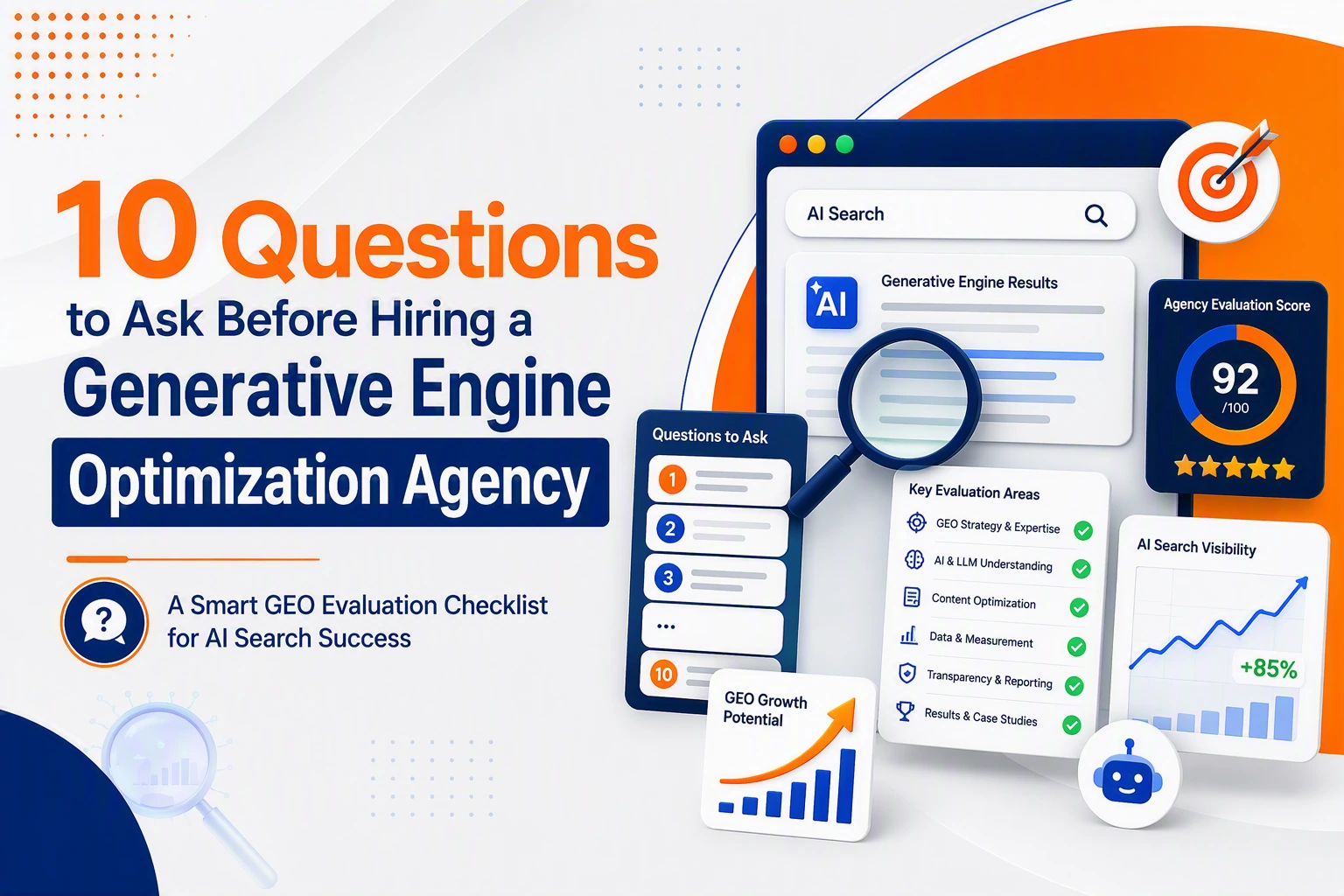
The 10 Things You Need to Ask a Potential GEO Agency before signing them to work for your company.
1. How Much Experience Do You Have with GEO Specifically?
Inquire about the experience of the agency with GEO projects. Never accept something for granted, like, “We are 10 years into SEO; we know how to do it for GEO. While SEO experience is helpful, it doesn’t guarantee experience with AI citations, conversational search, entity signals, or generative search monitoring.
Request a specific timeframe. Ask when they began working on GEO and what they have learned from testing and working with real websites. The providers of generative engine optimization services should also be able to explain their GEO process in everyday terms, without resorting to jargon.
2. Can You Show Me Real AI Citation Results?
This could be the biggest inquiry on your list. Request the agency to provide samples of clients being shown in AI responses for applicable queries. What you really want is actual evidence, not a slide with the words, “AI visibility increased.”
A valid report can display the query requested, the AI platform on which the query was made, the source of the citations, brand mentions, competitors’ mentions, and a timeline comparison of the changes.
Handle any information relating to the client with care. If the agency is truly serious, they may have to mask names or private information. That is fine. It is important to see if they have worked. If the agency only reports rankings, impressions, or backlinks, ask why it is not providing AI citation or visibility data.
3. Which AI Platforms Do You Monitor?
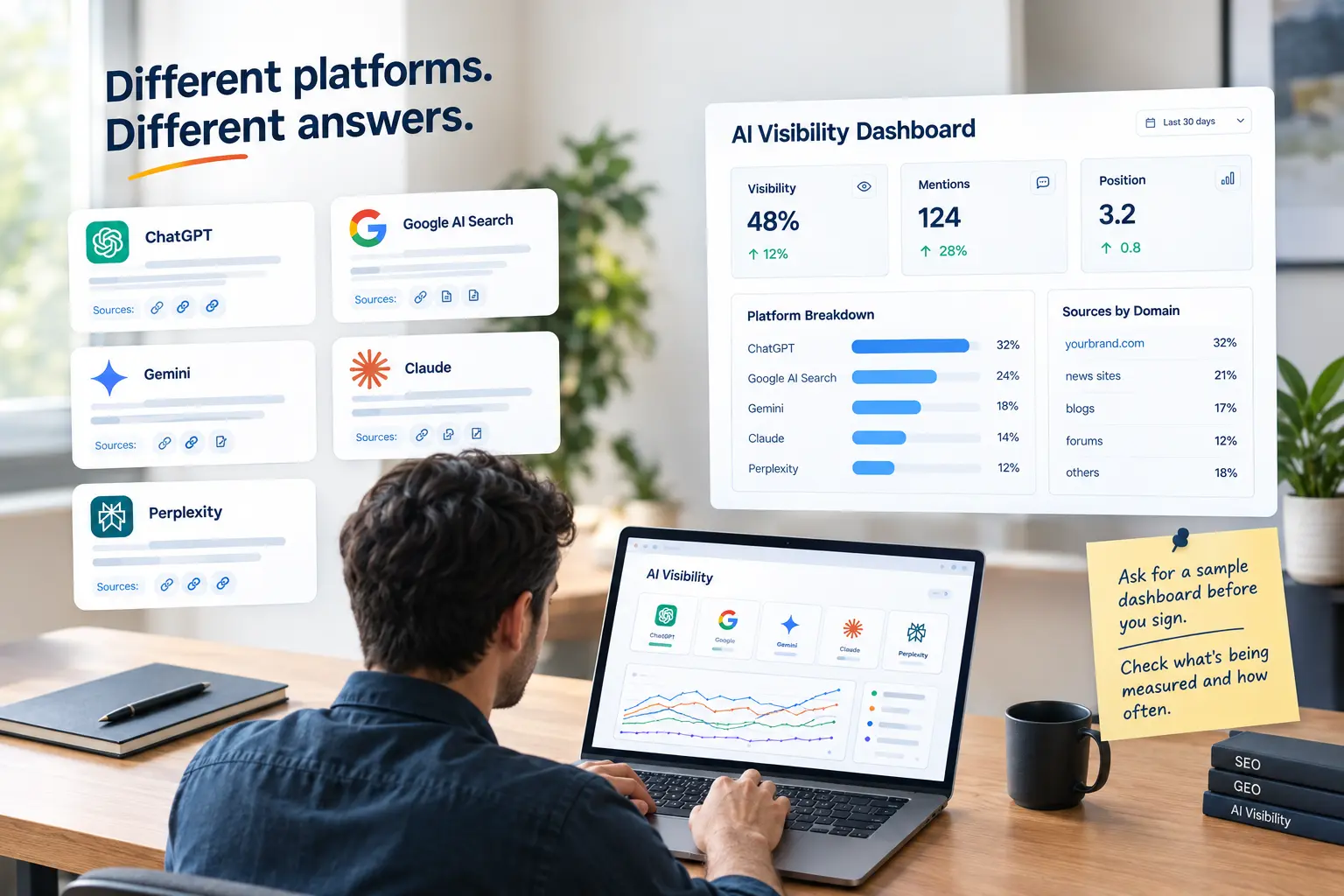
Please don’t mistake one AI platform for the entire world of AI. Inquire about the agency’s use of ChatGPT and other LLM models like Google AI search, Gemini, Claude, Perplexity, etc. Then ask what its strategy is and how it differs between platforms.
Various AI systems may provide sources and respond with varying answers. Whenever a brand is listed in one answer, it is not mandatory to appear on another platform’s answers.
Your agency should be able to report on the visibility in AI search without it being a single figure that conceals everything. Please request a sample dashboard before you sign. It is important to be aware of what and how often things are being measured.
4. How Do You Create a GEO Strategy for My Business?
A GEO strategy for your business is not set in stone and differs from company to company, as your audience, products, and search intent are unique. How will the agency understand your business and implement a GEO strategy for relevant AI search queries to target your audience?
The agency should then outline how it intends to improve your content, website, and online presence in line with your specified goals rather than being subjected to a blanket approach.
5. How Will You Measure GEO Results?
Discuss success expectations before beginning. AI citations, mentions of your brand, referral traffic, and conversions are all good indicators. Focus on meaningful indicators of AI visibility rather than relying only on vanity metrics. It is the true number of Visibility in AI search, not vanity data. Service providers for Generative Engine Optimization (GEO) services will connect outcomes with business expansion. A search engine optimization agency must also provide easy access to reporting.
6. What Is Your Content Strategy for AI Search?
The first question is how they enhance and/or create content for AI search. It should provide factual answers to the actual questions in simple wording and with a genuine level of expertise. This enhances Visibility for AI searches and assists agencies offering their generative engine optimization services. Look at whether they are providing updated versions of all existing pages or just new versions when they are created.
7. How Do You Handle Technical SEO and Schema?
Ask whether they address crawlability, indexing, site speed, internal linking, and structured data. These assist AI systems in comprehending your website and enhance the site’s Visibility in AI search. The correct usage of structured data is a must for agencies offering services for search engine optimization. If a technical modification is made, it must be recorded by a search engine marketing agency.
8. How Do You Identify and Track the Queries That Matter to My Business?
Ask the agency how they determine the most relevant search queries to use in their AI searches for your products, services, and target audience. This may include how they monitor brand mentions, citations, and competitor visibility in the relevant AI platforms.
Additionally, ask the agency how frequently the search queries are reviewed and how the information generated is used to create content for SEO and GEO search strategies. Are they generating reports with occasional screenshots or just dumping users into some generic AI visibility report, or is there a systematic measurement process in place?
9. What Results Should I Expect, and When?
Request GEO Audits, fixes, and content updates, and a clear 30-60-90-day plan. Ranking and AI mention guarantees are not possible with any agency. In the context of AI search, emphasize the strategy, action, and the process of improvement. The agency needs to adjust based on data to provide generative engine optimization services. An SEO agency should be able to optimize flexibly as opposed to guaranteeing specific results.
10. How Does GEO Fit with SEO and Paid Marketing?
Promote engagement with GEO and collaborate with SEO, PPC, content, and analytics. That drives up conversions and improves visibility in AI search. All channels need to be synced for growth, and that’s what agencies providing generative engine optimization services will ensure. For a white-label generative engine optimization agency to make sure that SEO, GEO, AEO, and paid ads complement each other’s efforts, the insights must be shared amongst them.
Final Thoughts
Any reliable GEO agency should clearly outline their strategy, present relevant evidence of previous work, and indicate how their intentions relate to your business goals. Compare the answers to the 10 questions with potential marketing & sales partners over the long term and choose the most suitable one for your business.
If an agency can clearly explain its GEO process, provide real data, and show how its work supports your goals, it is worth considering. If you’re working with a search engine marketing agency, ensure that the two teams are working well together. The goal is to enhance overall business growth and boost visibility in AI search.