Key Takeaways
- Google Generative UI builds the search page with AI in real time, turning your content into an input for answers, not a click destination.
- Winners structure content for extraction: one-line answers, defined terms, and cited data an AI can lift and credit.
Introduction
Google has changed the rules of searching again. The familiar static blue links that once made-up search results have been superseded by a dynamic, AI-generated ‘UI’ (User Interface) that answers your search questions before it loads links to relevant websites. If you’re treating SEO as if it were 2020, then you’re probably already losing out. This blog explains generative UI and describes how it can be used to safeguard your search visibility.
What Is Google Generative UI?
Google Generative UI is a search experience where Google “composes” the UI (answers, worksheets, images, and booking) dynamically based on the query. Instead of ten static links, the page rebuilds itself around your query.
Google has demonstrated five capabilities that are being rolled out by the end of 2026: An intelligent search box that analyzes what the intent is, background search agents monitoring topics on your behalf, in-search booking, AI-powered tools such as charts and simulations, and customized dashboards for individual tasks. The common thread is simple. The answer is found in Google; it’s not on your site.
How Google Generative UI Changes Your SEO Strategy
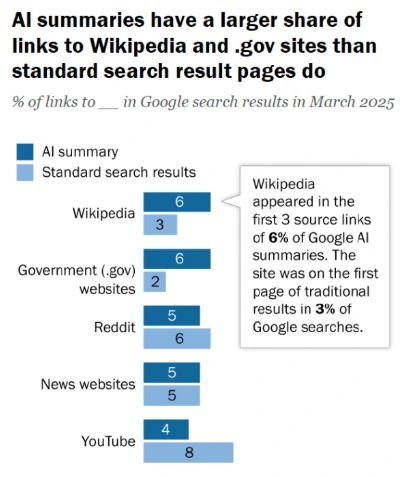
Your new goal is to receive citations instead of clicking. As is well known, the number of users clicking on a link to a website within the summary of a search query generated by AI engines is extremely low. In its report titled How Americans Use Google, Pew Research Center states that only 1% of Google searchers click on a link to a website within the summary provided by Google for a given search query. In this sense, modern generative engine optimization services are heading in a new direction, i.e., to get your brand name mentioned in the answer generated by AI engines.
Here are three characteristics of pages that get pulled into AI answers. For one, they contain the answer to the user’s question in the first line of text on the page. Second, they define terms and phrases used on the page. Finally, they contain numbers and supporting sources to back up claims and statements made on the page. One mistake we made early on was optimizing only for position one, not for the sentence a model could lift cleanly.
Of course, rankings are still important for individual pieces of content. Strong advanced SEO services now treat crawlability, entities, and clean structured data as the base layer that makes your content readable to both Google and the models behind it.
What Your Company Should Do Now
Make content extractable as the first step. Anytime you introduce a section, start it by stating the answer and elaborate. Use FAQ blocks, define keywords, or use Article, Author, and FAQPage schema – allowing machines to read your semantics without any guesses.
Then, establish credibility on the model that they trust. But the name of an author (as determined by the copyright notice), real credentials, original data, and mentions by third parties increase your chances of being cited. This is where answer engine and AI search optimization services step in, as a model only cites sources it can prove are accurate.
Then safeguard demand that you can’t lose to zero-click results. Pairing organic work with paid coverage through search engine marketing services keeps you present on high-intent queries while the interface changes. In our experience, brands that see SEO, GEO, or paid search as a single system are more likely to achieve visibility than brands that do because of their approach to each of the individual methods.
Conclusion
In Google Generative UI, the gold medal winners are the brands mentioned within a set of answers provided by AI, as these placed the prize from the click to within the citation. Organize content, provide citations, establish your knowledge, and link advanced seo services, AI search optimization services, and paid search into one plan. This is one way to be conspicuous as the search continues to pop up.