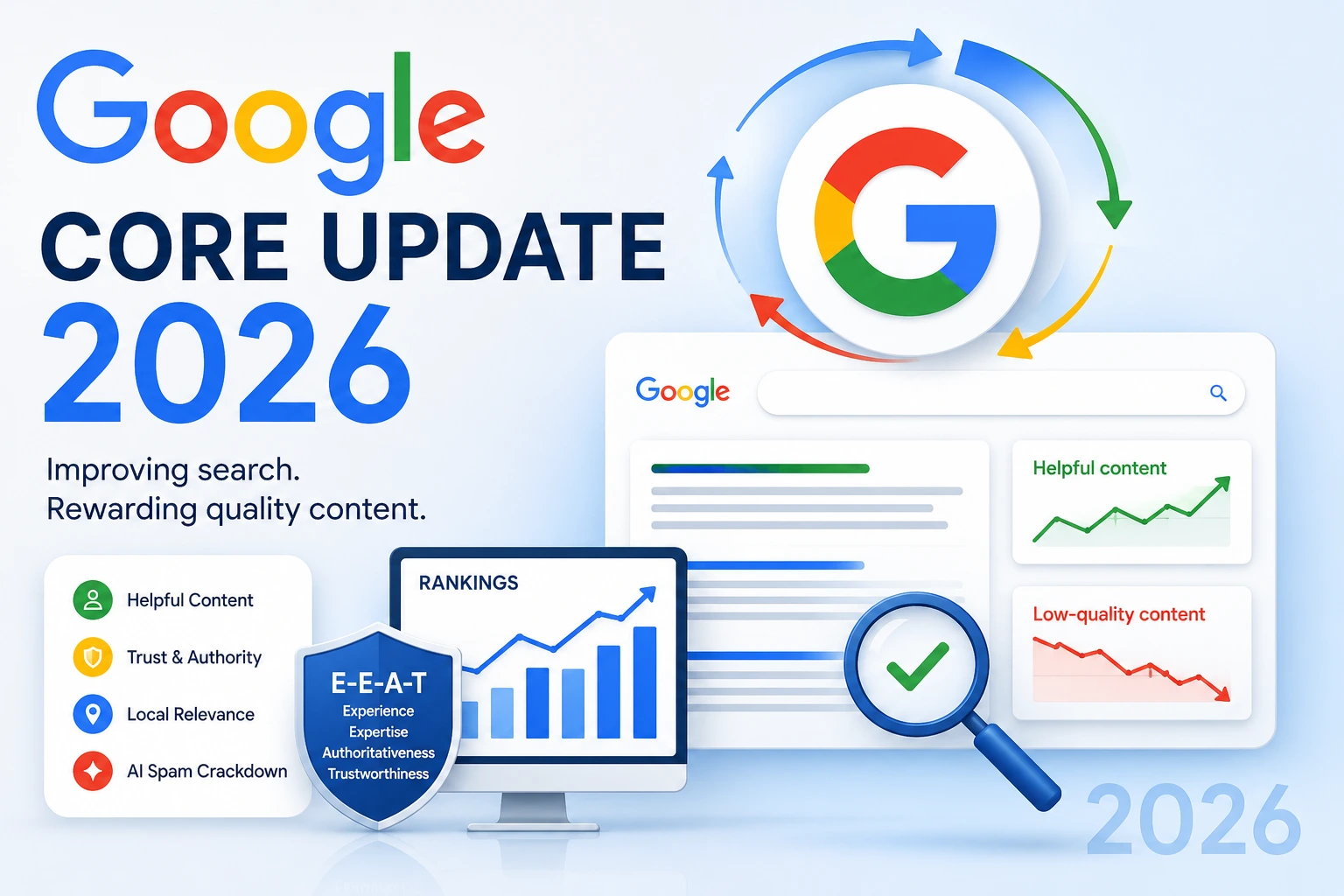
Google regularly updates its search ranking systems to deliver helpful, relevant, and reliable results. These changes can affect website rankings, organic traffic, and online visibility. For businesses investing in SEO, understanding Google core algorithm updates is essential for maintaining long-term search performance.
In 2026, website owners should focus on content quality, user experience, technical SEO, and genuine website authority rather than chasing individual ranking changes.
Important update: Google announces confirmed major ranking updates through its Google Search Status Dashboard. Check the official dashboard before attributing ranking changes to a specific update.
What Is a Google Core Algorithm Update?
A Google core algorithm update is a broad change to Google’s ranking systems. These updates help Google reassess which pages provide the most relevant and useful information for different searches.
A core update does not necessarily target a particular website, industry, or SEO technique. A website may lose rankings because other pages better satisfy a searcher’s needs, while another website may gain visibility.
According to Google’s official core update guidance, a ranking decline does not automatically mean that a website has violated Google’s guidelines or that its content is poor.
Businesses should therefore investigate performance changes before making significant website modifications.
What Should You Focus on After a Google Algorithm Update?
Rather than reacting to every ranking fluctuation, businesses should evaluate their website’s overall quality and identify opportunities for meaningful improvement.
1. Create Helpful, Original, People-First Content
Content remains an important part of an effective SEO strategy. However, publishing more articles or increasing word counts does not automatically improve rankings.
Your content should answer genuine customer questions, explain topics clearly, and provide information that helps readers make decisions.
For example, a digital marketing agency writing about SEO should explain practical optimization methods, common challenges, and realistic ways to measure performance instead of repeating generic SEO advice.
Review existing articles for outdated statistics, unsupported claims, missing information, and unnecessary repetition. Add original insights, relevant examples, and trustworthy references where they improve the reader’s understanding.
Read Google’s guidance on creating helpful, reliable, people-first content before planning major content revisions.
2. Avoid Thin and Repetitive Content
Publishing many similar pages solely to target different keywords can create a poor experience for visitors.
For example, creating dozens of location pages with nearly identical text and changing only the city name may provide little additional value.
Instead, every important page should have a clear purpose and useful information specific to its intended audience. Combine overlapping pages when appropriate, improve incomplete articles, and remove unnecessary repetition.
There is no fixed word count that guarantees a page will rank. Focus on answering the searcher’s question completely and accurately.
3. Build Relevant, High-Quality Backlinks
Backlinks can help search engines discover pages and understand their relevance. However, acquiring large numbers of links does not guarantee better rankings.
Prioritize links earned through useful content, industry relationships, relevant publications, and legitimate digital PR activities.
Avoid buying links intended to manipulate rankings, participating in link schemes, or creating large numbers of low-quality directory submissions. These practices can violate Google’s spam policies.
A balanced link-building strategy should focus on relevance, credibility, and genuine value rather than backlink volume alone.
4. Strengthen Internal Linking
Internal links connect related pages across your website and help visitors discover useful information. They also help search engines find pages and understand their context.
For example, a business exploring technical improvements may benefit from professional web development services, while a company seeking better organic visibility may explore an experienced SEO agency.
Use descriptive anchor text that accurately explains the destination page. Link relevant blog posts to related service pages, supporting guides, and other useful resources.
Avoid adding links where they do not help readers. A smaller number of relevant, contextual links is more useful than forcing keywords into every paragraph.
5. Improve Technical SEO and Website Experience
Even useful content can struggle to perform when search engines cannot access or understand the page properly.
Review your website for broken internal links, incorrect redirects, server errors, accidental noindex directives, blocked resources, and duplicate URLs.
Also assess mobile usability, page loading performance, and accessibility. Make sure important content is available to visitors and can be discovered through crawlable links.
Tools such as Google Search Console, Screaming Frog, and PageSpeed Insights can help identify different types of issues.
For businesses planning broader technical improvements, professional web development services can help address implementation problems that require developer support.
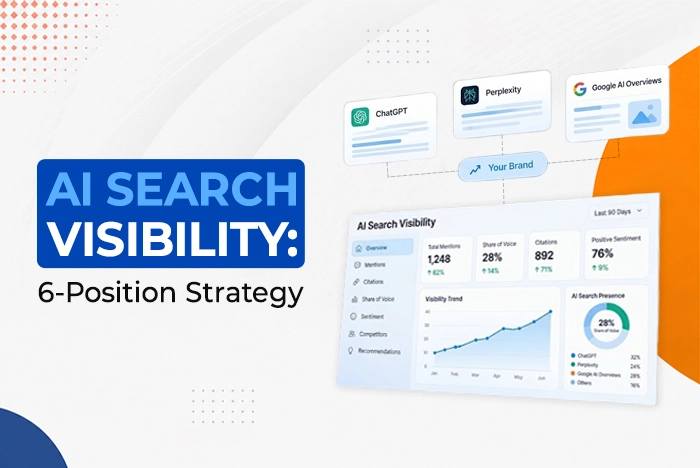
6. Monitor AI Search Visibility Alongside Traditional SEO
Search behaviour continues to evolve as users explore AI-generated answers and conversational search experiences.
Businesses can strengthen their overall discoverability by publishing accurate, well-structured information, clearly explaining their expertise, and making important website content accessible to search engines.
Explore generative engine optimization services to understand how businesses can work on visibility across generative search experiences.
You can also learn about answer engine optimization services and ChatGPT marketing when developing a broader strategy for discovery across traditional and AI-powered search.
These activities complement SEO; they do not guarantee that a business will appear in a particular AI-generated answer.
How to Recover from a Google Core Update
If your website experiences a significant decline in organic traffic, follow a structured investigation instead of making immediate changes to every page.
- Check official announcements: Confirm whether a Google ranking update coincided with the decline.
- Compare performance: Use Google Search Console to compare clicks, impressions, and average positions before and after the update.
- Identify affected pages: Determine which URLs, keywords, and sections of your website experienced the largest changes.
- Review search intent: Compare your content with the information users need and the relevant pages appearing in search results.
- Audit technical SEO: Investigate indexing, crawling, internal links, redirects, and server issues.
- Improve content meaningfully: Update outdated information, strengthen incomplete pages, and add useful original insights.
- Monitor results: Track performance over the following weeks and months rather than expecting immediate recovery.
Google explains that improvements may take time to be reflected in search results, and there is no guarantee that every change will lead to higher rankings.
Final Thoughts
Google core algorithm updates are a reminder to build websites that serve users rather than relying on shortcuts to improve rankings.
Businesses should invest in original content, relevant backlinks, strong internal linking, technical SEO, and a useful website experience. They should also monitor traditional search performance while developing appropriate strategies for AI-powered discovery.
At e intelligence, a sustainable digital marketing strategy combines these activities with regular performance monitoring and continuous improvement. Instead of chasing every algorithm announcement, focus on building a website that deserves to be discovered, trusted, and recommended.
Recommended resource: Google Search’s official guidance on core updates.