Find keywords that people search for, write content around those keywords, get backlinks, and rank higher. That’s pretty much what most marketers will say when you ask them what SEO means. Keep doing it.
For a long time, that model worked well. Some of it still works. It does, however, leave out a fundamental aspect of how modern search engines, especially those powered by AI, understand and rank content.
The piece that’s missing is the meaning.
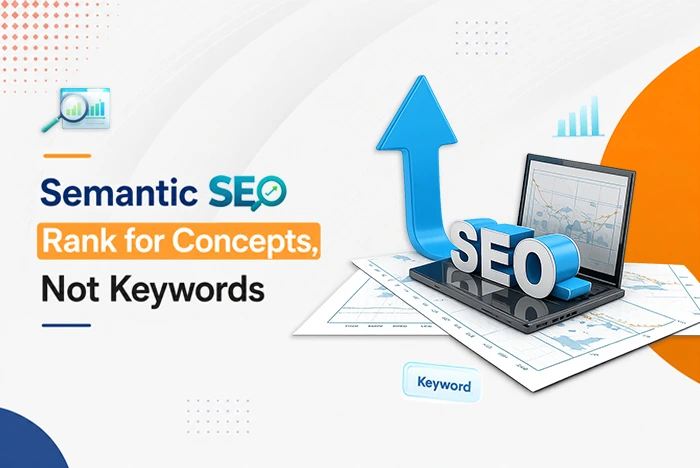
It’s not a new trick or a new way to do things with old strategies. A new way of thinking about what it means to be found in search results, one that puts ideas, context, and meaning ahead of exact keyword matches. It is now necessary for any brand that wants to keep and grow its organic visibility to know the difference between semantic SEO and traditional SEO.
What Traditional SEO Gets Right (and Where It Falls Short)
Match the words on your page to the words people type into search engines. This is what traditional SEO is based on. Use target keywords in your title tags, headers, and body copy to make them work better. Backlinks help you build your authority. Get a ranking.
This method works because it makes it clear to search engines what a page is about. And for a long time, search engines were just very advanced pattern-matching machines that looked for keyword signals to figure out what was relevant.
One problem is that keywords aren’t a good way to figure out what something means. The search terms “how do I fix a slow drain” and “drain unclogging tips” both mean the same thing, but they use different words. If your strategy is only focused on keywords, it won’t be able to capture all the different ways that real people ask real questions, and it won’t help you build real topical authority either.
In traditional SEO, each piece of content is also treated on its own: this page targets this keyword. In semantic SEO, you think about ecosystems.
What Semantic SEO Actually Means
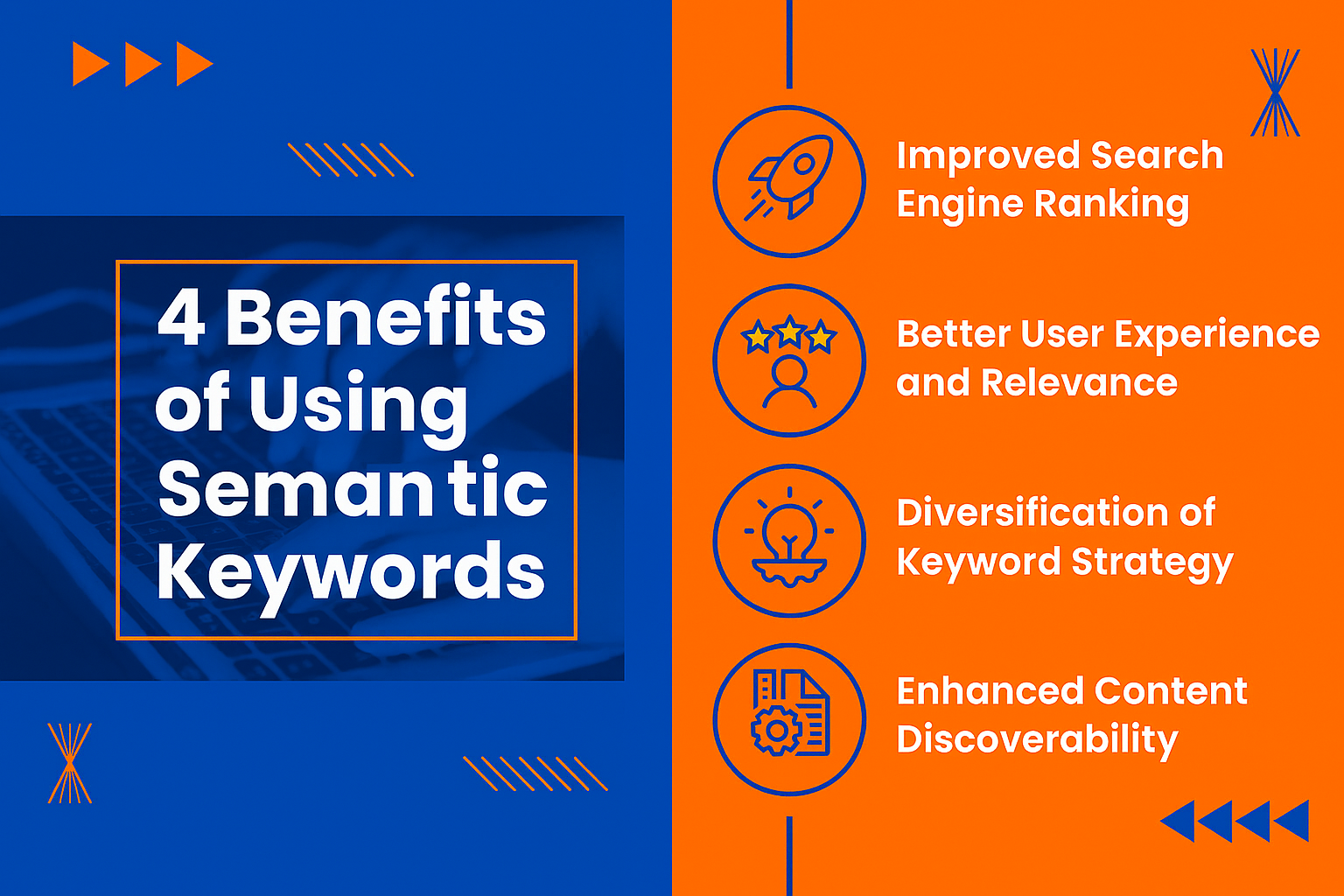
Semantic SEO means making sure that content is optimized for topics, entities, and meaning, not just keyword strings. The goal is to help search engines understand not only the words on your page, but also the ideas that those words represent, how those ideas connect to each other, and why your brand is the best source on a certain topic.
To put it simply, semantic SEO means:
Topic modeling and content depth.
Semantic SEO builds content ecosystems around topics instead of making one page for each keyword. A “pillar” page is the main page that talks about a subject in detail, while supporting content goes into more detail about subtopics. The structure tells search engines and AI models that your site is an actual authority on a subject, not just a bunch of keyword-focused pages.
Entity optimization.
The Knowledge Graph is an idea that search engines like Google use. It is a huge database of entities (like people, places, organizations, and ideas) and how they relate to each other. Semantic SEO helps that graph recognize your brand, products, and content as separate entities. Google makes it easier for your content to show up for conceptually relevant queries when it “knows” what your brand is and what it stands for.
Natural language and intent alignment.
Not built around exact-match phrases, semantic content is written to answer real questions in the way that real people ask them. This is very important for long-tail queries, voice search, and conversational AI tools, which are now the majority of search queries.
Markup for schemas and structured data.
Google and other search engines can tell what kind of content it is, what entities it refers to, and what questions it answers when you use schema markup in it. This is becoming more and more important for answer engine optimization services over time, as their goal is to be the source that AI tools use to find direct answers.
Are AI SEO and semantic SEO the same thing?
Right now, the market is very mixed up, which makes things more interesting.
AI SEO and semantic SEO are linked, but they’re not the same. AI SEO (and its cousin, AI visibility optimization services) uses those ideas to help you show up in search results generated by AI. Semantic SEO is the basis for these services.
That’s the difference between semantic seo vs traditional seo. Semantic SEO helps search engines better understand what you write. A study called AI SEO looks at how AI tools like Copilot, ChatGPT, Perplexity, and Google’s AI Overviews use your content to help them figure things out.
Most of the signals that AI search tools learn from are the same ones that semantic SEO builds: topical depth, entity recognition, source authority, structured data, and content that clearly and completely answers questions. AI citation works better for brands that have put a lot of effort into semantic SEO. But AI SEO goes even further by optimizing for the specific prompt patterns AI users use, building brand mentions across the web (not just backlinks), and making sure content is structured in ways that make it easy for AI models to extract and summarize.
To put it another way, semantic SEO helps people understand you. AI SEO makes it possible for people to cite you.
What it Really Looks Like to Rank for an Idea
Ranking for an idea instead of a keyword is a vague idea that needs a real-world example.
Think about a business that sells software to creative agencies for managing projects. In the old way of doing SEO, they would focus on keywords like “agency project tracker,” “task management tool,” and “project management software.”
A different question is asked by semantic SEO: what idea should this company own? The answer could be “project management for creative agencies,” which is a very specific and well-known field. What it means to build for that idea is:
- A full pillar page on how to run creative projects
- Helpful information on specific problems, like how to handle client feedback, creative briefs, and allocating resources for design teams
- Data and case studies that make the brand a reliable voice in the creative agency space
- Markup in the schema that links all of this content to the main entity
A brand with this kind of semantic ecosystem is much more likely to be mentioned when a user asks an AI tool, “What’s the best way to manage projects at a creative agency?” than a brand with just a page that talks about “project management software.”
That’s the difference between owning an idea and ranking for keywords.
Why Semantic SEO Services Matter Now More Than Ever
Never before has there been a better time to invest in semantic SEO services. Here’s why:
AI search rewards exactly what semantic SEO builds.
Topical authority, entity recognition, and content depth are all things that semantic SEO creates that AI tools use to figure out which sources are reliable. For every dollar spent on semantic SEO, another dollar is spent on AI search visibility.
Keyword-only strategies are increasingly fragile.
Updates to algorithms, AI Overviews, and zero-click search are all making separate keyword rankings less valuable. Because it is based on real authority rather than keyword density, a semantic content ecosystem is more stable.
The competitive window is still open.
Keyword-first SEO strategies are still used by most brands. Before AI search becomes widely used, brands that build real topical authority now will have a structural advantage that will be hard for competitors to quickly copy.
From Keywords to Concepts: The Strategic Shift
To switch from keyword-focused to concept-focused SEO, you need to make changes to your content strategy at every level. You need to change how you find topics, plan your content architecture, track your progress, and build authority signals across the web.
You also need to be patient. That’s not something that can be done with just one page or campaign. Long-term, smart investments in content that tell search engines and AI models that your brand is the most knowledgeable on a certain subject are what build it.
But brands that are willing to put that money in are getting more and more out of it. When an algorithm changes, you can lose your keyword rankings in an instant. But topical authority and entity recognition are assets that last and get more valuable over time.
Not whether semantic SEO is important, but how important it is. That is, if your brand becomes known for that before your competitors do.