Key Takeaways
- White label SEO (Search Engine Optimisation) services allow web agencies to offer specialist search services, which are reported under the web agency’s brand.
- Search Console, analytics, rank tracking, and backlinking tools help determine where there is room for improvement for your campaigns and where you should focus.
- Connect keyword research with conversion data and use regular performance reviews to transform the SEO report into actionable business decisions.
Introduction
Data is not useful until it has been analyzed and used to make decisions. For agencies delivering SEO services, understanding how to use keyword data and other types of search data to deliver actionable information to clients is critical.
The best way to look at SEO services provided by agencies is as a data-driven process that is utilized by a variety of marketing organizations, including white label web agencies, generative engine optimization agencies, and search engine marketing agencies.
Why Data Needs a Strategy for White Label SEO?
While SEO data provides descriptive metrics of what is happening with a website, information must be translated into explanations of why this data occurred in order to define appropriate action. Search Console data, analytics reports, rank trackers, backlink analysis tools, and even website audits all provide valuable information about what is happening with a client’s website and must be evaluated against a number of factors including client goals, target audience, seasonality, and resources available to define appropriate action.
When analyzing ranking decreases, it is important to differentiate between high commercial value pages and less commercial ones, such as outdated blog posts.
There is also an excellent framework that we utilize for our SEO Strategy using data → insight → priority → action → measurement. This framework helps to provide guidance on how to utilize search data for your SEO efforts and build a successful SEO campaign using a white-label SEO company.
Turn Keyword Data into Useful Opportunities
For keyword data to be useful, it must lead to useful opportunities for your team and clients. This means starting with the highest volume of impressions first and the lowest ranking position first and then verifying if the keyword is relevant to the content on the page and the offering of the client.
Use Search Console data to find unexpected queries that your website is already ranking for in search results. Determine if the query that the search engine is returning to your website corresponds with customer needs and expands upon that page of content as appropriate. Also, see what keyword gaps your competitors are missing when targeting the services and business goals of your clients.
We have started to group the keywords by intent (informational, commercial, transactional, local) to plan useful pages and content clusters rather than isolated articles. Before delegating work, we check for relevance, intent, competition, and required effort.
Read Search Visibility and Engagement Together
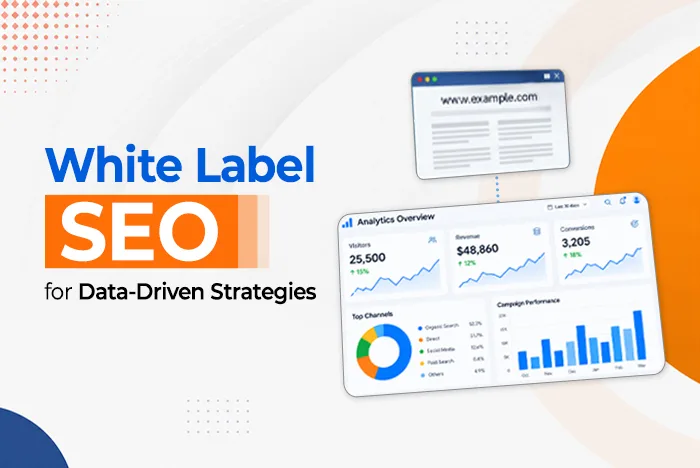
Impressions indicate when a listing has appeared on the results page. Clicks indicate the number of times a listing generated visits to a website. Click-through rate (CTR) compares the number of clicks on a listing to the number of impressions it received. Average ranking is only an indicator of general visibility in the rankings. It does not automatically indicate that a page with a ranking is generating qualified leads from your website.
|
Data pattern |
Possible next step |
| Deep impressions, few clicks | Review titles and search intent |
| Traffic falls over time | Compare queries and technical changes |
| Visits rise, leads stay flat | Review the landing page and conversion path |
Use these patterns as best guesses; they’re not diagnosed. Some factors that influence CTR include device types, query types, ranking, and extra search features. Make comparisons before making metadata changes or content changes and then measure your results rather than taking “for granted” that the change has been successful.
Prioritize Technical SEO by Impact
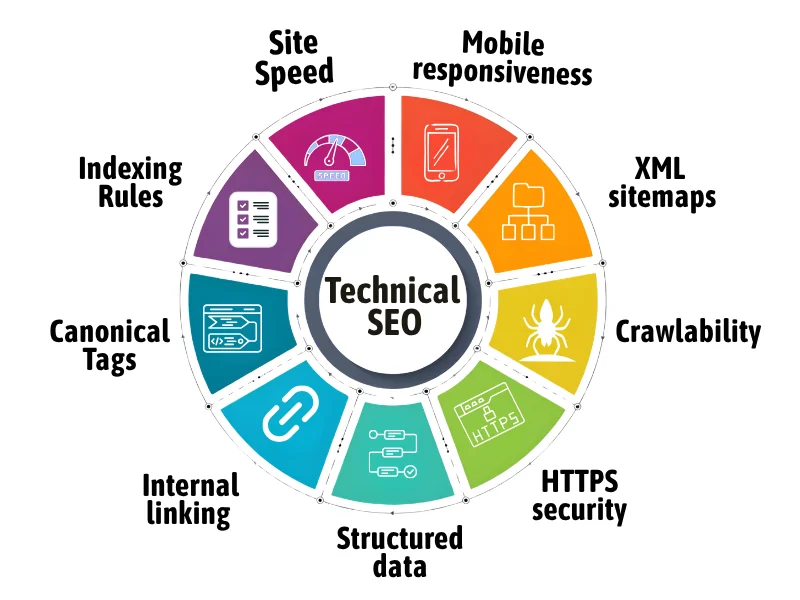
A technical audit might discover a number of problems – but not each of them needs to be treated equally. Prioritize work based on severity, hit pages, business/impact of search, and workload.
Issues that affect the indexing of important service pages might be more significant than minor problems with indexing low-traffic service pages. Broken internal links, crawlability issues, duplicate titles, and poor page structure are things that need to be investigated to determine the cause and how to fix it.
The sequence of events for a reliable workflow is the following: Audit – Assigned – Implemented – Quality checked – Reviewed. The agency approves recommendations; agreed-upon activities are carried out by the fulfillment team, and then the agency checks the fulfillment results. Having clear ownership gives a proper recommendation not to have been collected in the report’s month on month.
Use Local and Conversion Data for Better Decisions
Local SEO experts can dig into these three areas to identify opportunities in service areas: location-specific queries and rankings, Google Business Profile metrics and insights, and landing page metrics. If searches are directed from a place that doesn’t have a helpful destination page, determine if it would be beneficial for the sake of visitors to create a page for it. Don’t duplicate copy in which the cities have been reversed.
That’s the conversion data, too. Monitor qualified form of submissions, calls, bookings, or sales (when it exists). Before creating more, see if the traffic is increasing in the right direction in relation to the offer, mobile experience, and conversion path if it’s occurring without a corresponding increase in leads.
Conclusion
In short, data-driven SEO is working if you have the right partner to implement your strategy based on evidence. This partner can be a white-label web agency, a generative engine optimization agency, or a search engine marketing agency. To build a solid strategy with measurable goals and good implementation, look into e intelligence.